
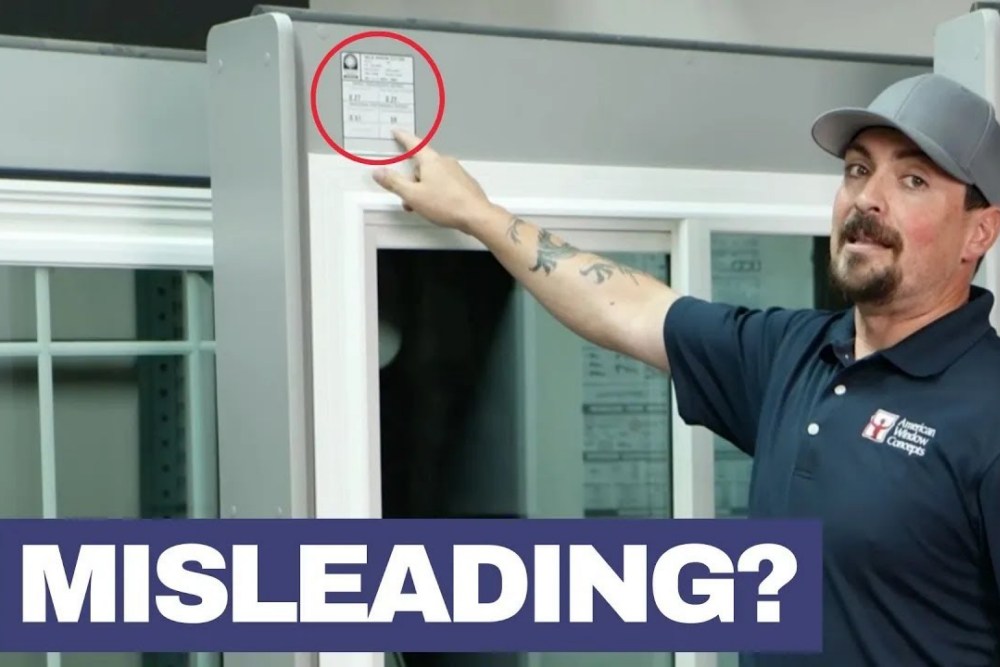
When shopping for replacement windows, you may be offered argon gas as an energy-efficiency upgrade. But does it really make a noticeable difference? In this video, Sean from American Window Concepts explains how argon gas works, where it is placed inside a dual-pane window, and why it can be a valuable addition to your new windows.
What Is Argon Gas in a Window?
Argon is a colorless, odorless gas placed between the two panes of an insulated glass unit. Because argon is denser than regular air, it helps slow the movement of heat through the glass. It contains no moisture and is safely sealed inside the window, creating an additional barrier between indoor and outdoor temperatures.
How Argon Gas Improves Energy Efficiency
In hot weather, argon gas slows heat transfer from outside into your home. During colder weather, it helps reduce the amount of indoor warmth that escapes through the glass. The gas acts as a buffer between the interior and exterior panes, helping the inside glass maintain a more comfortable temperature and supporting better year-round energy performance.
Can Argon Gas Help Reduce Outside Noise?
Argon gas may slightly improve sound reduction because it slows the movement of sound through the glass unit. However, it should not be viewed as a complete soundproofing solution. Window thickness, glass configuration, frame construction, and professional installation all play a larger role in controlling exterior noise.
Is Argon Gas Safe for Your Home?
Argon gas is odorless and generally considered safe in the small amounts used inside residential windows. If a window seal fails and the gas gradually escapes, it should not create a health concern inside the home. However, the window may lose some of its insulating performance and could develop condensation or fogging between the panes.
Why the Window Spacer System Matters
The spacer separates the panes of glass and helps maintain the sealed space containing the argon gas. Lower-quality spacers may be more likely to fail after years of expansion and contraction from changing temperatures. A quality warm-edge spacer system can help create a stronger seal, reduce heat transfer around the glass edges, and improve long-term argon retention.
What Happens If the Window Seal Fails?
When an insulated glass seal fails, the argon gas can gradually escape, and the window may no longer perform as intended. Depending on the manufacturer and warranty, the affected dual-pane glass unit may be eligible for replacement. You can then install the new glass unit with a fresh argon fill without necessarily replacing the entire window frame.
Is Argon Gas Worth Choosing?
For most homeowners purchasing dual-pane replacement windows, argon gas is a worthwhile feature. It improves insulation, boosts the glass’s overall energy performance, and may provide a small amount of extra sound control. Some manufacturers include it in their standard glass package, while others offer it as an upgrade, so ask before purchasing.
Argon gas is a simple feature that can make your replacement windows more efficient year-round. Paired with quality glass, a dependable spacer system, and professional installation, it can improve indoor comfort and window performance. If you live in the Ventura, Los Angeles, or Dallas-Fort Worth area, American Window Concepts can help you compare replacement window options and schedule a free in-home estimate.
For more expert tips on replacement windows and doors, be sure to subscribe to our YouTube channel.
Watch Our Video: