
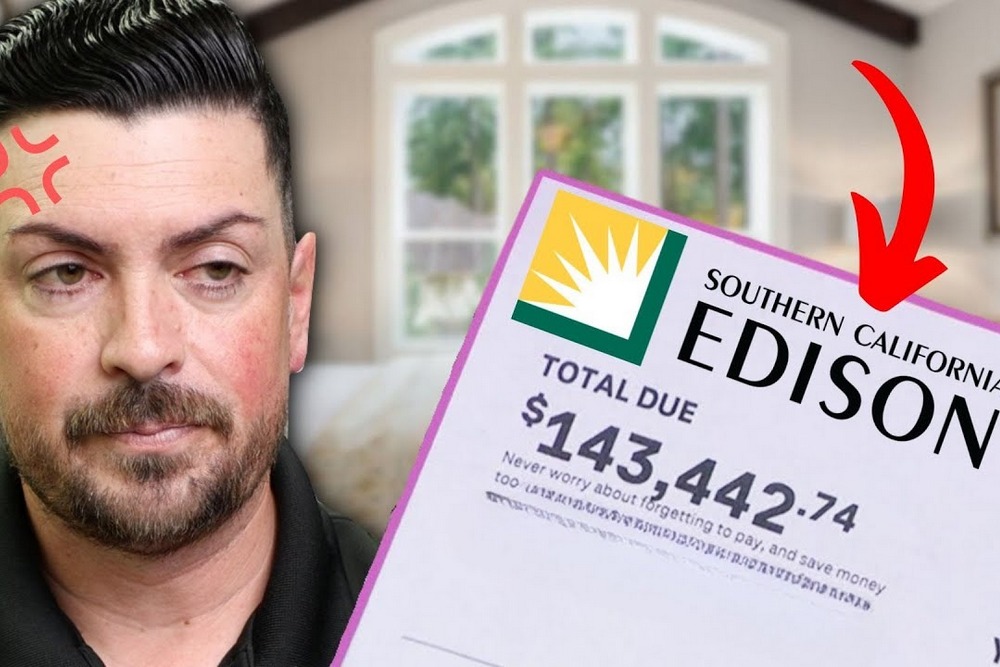
If you’re like most homeowners, you open your utility bill the moment it hits your inbox and instantly notice when something feels off. Maybe it’s the middle of summer, and you’re staring at a number that makes no sense—$500 in July can feel downright painful. While home size and the number of AC units you run absolutely affect your total, other hidden factors can quietly drive your costs up month after month. Things like insulation, roof type, and even your home’s age can significantly affect how hard your HVAC system has to work.
What Impacts Your Cooling Costs Besides the AC
Before blaming the air conditioner, it helps to look at the bigger picture. A two-story home with two AC units will usually cost more to cool than a smaller 1,300 sq. ft. home running one unit. Then there’s insulation—do you have attic insulation, wall insulation, or roof insulation at all? Do you have a flat roof or an attic space where insulation should be installed? If your home was built in the 1920s or 1930s, it’s likely to have very little insulation, which makes it harder to keep indoor temperatures steady. The more heat that enters your home, the more your AC has to run, and that’s when your energy bill starts jumping.
Windows Are Often the Biggest Cause of Heat Gain and Drafts
Windows are commonly the weakest point in a home when it comes to comfort and efficiency. If it’s hot outside and your AC seems to run all day, but your indoor temperature won’t drop to where you want it, your windows may be letting heat in. Single-pane windows are a frequent issue, but even older dual-pane windows from the 80s or 90s can be inefficient—especially if they’re clear glass without modern energy-saving features. A simple way to check is to put your hand near the glass and see if you feel heat coming through. On windy days, watch your blinds or curtains—if they move, that airflow isn’t a mystery; it’s outside air slipping past the window seals.
Simple DIY Draft Tests and the “Does It Pay Off?” Question
If you want a quick at-home test, place a candle on the windowsill and watch the flame. If it flickers or moves more than it usually should, that can point to air leakage. Another easy option is a match test—light it, blow it out, and see whether the smoke drifts to the side from air pushing through the window area. When windows are causing drafts and heat transfer, replacing them with new, energy-efficient windows can reduce the workload on your AC and help lower monthly bills. And if you’re considering financing, it’s worth running the numbers: if your utility bill is $600 and a window payment is $300, cutting the utility bill significantly can help balance that monthly cost. Add improvements like attic insulation and a properly sealed entry door with good weather stripping, and you’re building a more comfortable home that can also gain value over time.
When you address the main energy drains—older windows, poor insulation, and entry doors that don’t seal properly—you make it easier to keep your home comfortable year-round. The payoff isn’t only a lower bill; it’s also a home that feels better, looks better, and can be worth more long-term. If you’re in Ventura, Los Angeles, or the Dallas–Fort Worth area and want a free in-home estimate, visit the website and submit a request through the form linked in the description. Thanks for reading, and here’s to a cooler home and a smarter energy bill.
Cut Cooling Costs With American Window Concepts
If your utility bill keeps climbing in the summer, old windows may be letting heat and drafts into your home and forcing your AC to run nonstop. Quick checks, like feeling for heat near the glass or noticing airflow around the frame, can point to the problem. American Window Concepts can inspect your current windows, recommend energy-efficient replacements, and help you improve comfort while working toward lower monthly costs—starting with a free in-home estimate in Ventura, LA, or Dallas–Fort Worth.
Watch Our Video: